

How Potted common houseplant Improve the Quality of Air
Introduce potted houseplants to your home to improve air quality. Certain plants, like snake plants or Mother-Inlaw's Tongue reduce indoor ozone levels and remove VOCs that can trigger asthma and allergies.
Repot your houseplant when it appears stressed or has signs of being too big for its container. Choose a larger pot, and then add fresh potting mix.
Boston Fern
Boston fern (Nephrolepis exaltata) is a well-loved houseplant with lush green fronds that provide a the tropical look to a room. These plants are famous for their purifying properties in air, reducing pollution levels and increasing the humidity in homes. They are therefore an excellent addition to bedrooms, where they can improve sleep quality and help reduce symptoms of allergies.
common house plant requires indirect light and moderate temperatures. It doesn't like direct sunlight or cold air, nor drafts. Regular misting is recommended to increase the humidity of the air, especially in less humid climates. It doesn't require a lot of pruning and fertilization, however, the fronds can be dry and brown in the event that the plant is overwatered or is kept in a dry environment.
common houseplant grows in forests in moist, slightly acidic soil and in shaded areas. It is not tolerant of extreme cold or heat however, it is a good choice in USDA plant zones 9 to 11. This fern can also thrive in humid conditions. It is best placed close to a bathroom or kitchen.
This is among the easiest-to-care for potted ferns. Repotting is only required when the roots start to extend around the base of the container. A repot should be done in late spring and the old potting mix could be used to fertilize the fern (use an ineffective solution of sodium Nitrate or Clay's Fertilizer). This plant requires little maintenance, as it doesn't grow fast and isn't susceptible many diseases or insects.
Ponytail Palm
The ponytail palm, also known as the elephant's feet plant or bottle palm, grows in a plethora of ribbon-like green leaves that look like the shape of a ponytail. It is among the most easy plants to care for, as its large stem holds water. It can last for months without watering. It is a great choice for people who have children and pets, since it isn't toxic to the animals.
Ponytail palms thrive in bright areas However, they also tolerate medium levels of light. They need to be kept in a well-drained pot with dry soil. Repot only when the roots begin to encircle the pot but do not overcrowd them.
It is important to water them regularly and let the soil completely drain between waterings. Overwatering is a frequent issue with this kind of plant, since it can cause the stem becoming rotted and leaves turning yellow.
Like most houseplants, the ponytail palm is prone to pests, such as spider mites and mealybugs. Oils and soaps for horticulture can be used to control these pests. They may also cause fungal issues and stem rots.
Areca Palm
Areca palms are simple to grow and maintain provided they receive plenty of bright light. They thrive in warm temperatures and are suitable to be grown indoors or outdoors however, they must have adequate humidity levels. Yellowed or brown leaves and tips can indicate that the plant requires more moisture.
Water your palms of areca when the soil's top inch feels dry to the contact, but don't let the compost to get waterlogged. It is recommended to make use of rainwater or distilled water to water these plants since they are sensitive to the fluoride in hard tap water.
If you are growing your palm in a pot, change the pot every two to three years or when you feel the roots are overwhelmed. This will also remove any fertilizer salt deposits that build up in the container, and limit the growth of the plant.
Areca palms purify air supposedly by absorbing toxic gases. According to NASA's Clean Air Study these plants are efficient in removing toluene as well as formaldehyde. These toxic substances can be released by dyes, paints, solvents, vehicle exhausts smoking from tobacco, wood and paraffin stoves, and many other. Inhaling these gases can cause headaches dizziness, fatigue, and even liver damage when in high doses. The areca palm is a great way to cut down on the toxic gases in your home and office.
Dragon Tree
Dragon trees (Dracaena Marginata) are stunning as a stand-alone plant or combined with shrubs and trailing plants on an indoor plant stand. They are one of a few tropical houseplants which can withstand different levels of light and temperatures. They can even survive dry indoor air and low humidity, which could kill other plants. Make sure to stay clear of overwatering, which could lead to root decay.
A slow-growing exotic The Dragon plant's slim stem is enhanced by the crown of sword-like leaves, with red edging. It's the perfect choice to fill narrower spaces. These houseplants require little maintenance. They can tolerate dry and dim light in average room conditions.
Repot only when the roots become congested. You can tell this by the rate of growth and color of the roots. The most obvious indicator is if there is very little or no new root growth.
As your Dracaena grows older it's common to see dead leaves fall off. You can also tidy your plant by cutting the long, straggly stalks using a pair of sterile pruning shears. Sterilize the shears with an abrasive rag soaked in rubbing alcohol or hydrogen peroxide before using. This plant, along with other members of the same family, contain saponins that can be moderately toxic to cats if consumed. The symptoms of poisoning could include vomiting, diarrhea and drooling, loss appetite, weakness, and a higher heart rate.
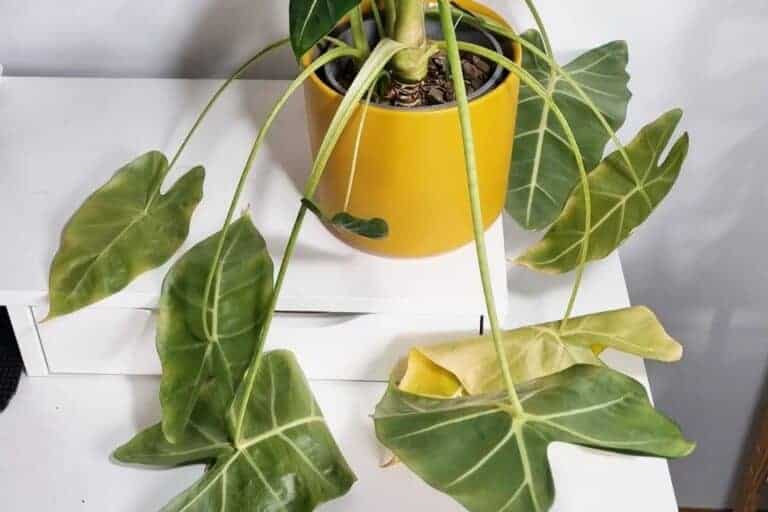
ZZ Plant
ZZ plants are popular houseplants. They are often seen in homes and offices due to the fact that they look attractive, are easy to maintain and help keep indoor air clean. These plants grow slowly to a height of two to three feet and are a great option in rooms where other plants might outgrow their pots. Their dark green glossy leaves reflect sunlight which brightens the space. They add a tropical feel to rooms, and are a major component of Feng Shui.
These plants will thrive in indirect light of medium to bright but they can also withstand low levels of light. Because they are tolerant to low humidity, it is not necessary to mist their leaves or soil. The plant may need to be repotted if the plant starts to wilt. To ensure that the plant is healthy, it is important to get rid of any stems that are yellow or brown and leaves.
Like many houseplants Like most houseplants, the ZZ plant is prone to root rot when over-watered. Water the plant as soon as the top soil feels dry. This happens typically every two weeks or so. In contrast to other plants these plants do not need frequent fertilization, however they could benefit from an occasional spray on the foliar area using the liquid plant food. If you observe any signs of pests on the plants, spraying them with a natural pesticide, like neem oil will help to keep them healthy.
Tillandsia
The Tillandsia (also known by the name Bromeliads), is a large group of plants with over 650 different species. You can find a variety of plants that will fit your decor. They are a popular choice for terrariums, but they can also be used to highlight magnets, driftwood and wood. They prefer warm, shady rooms with bright but indirect sunlight, such as the shade of the canopy of trees where they naturally flourish. After about a year of growth, they begin to bloom and this is a good indicator that you've taken care of the plant well, but it's also the end of the plant's existence because they only flower once. The plant will slowly begin to lose its energy and eventually end up dying. This is normal and part of the growing process. When the flower spike stops blooming, the mother plant will grow offsets, or 'pups' which can be trimmed and treated as individual plants.
Although tillandsia can be cultivated outdoors in an potting mix that is soilless in zones 9 to 11 in terms of hardiness, most homeowners grow them indoors because they are so simple to take care of. They are epiphytes, which means they don't have a lot of roots and instead soak up water through their leaves. This makes them very sensitive to overwatering and rot. A good rule of thumb is to mist them with room temperature and filtered water at least one time every week, and more often if your home is very humid. If they appear dehydrated their leaves will curl and shrink.